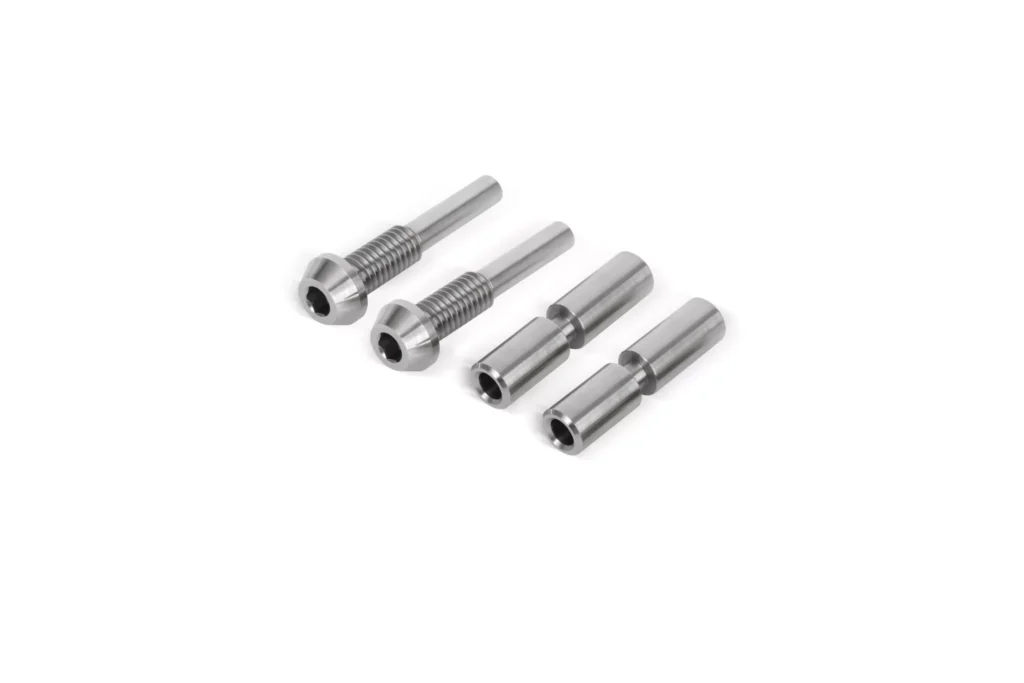
Vacuum Casting Services
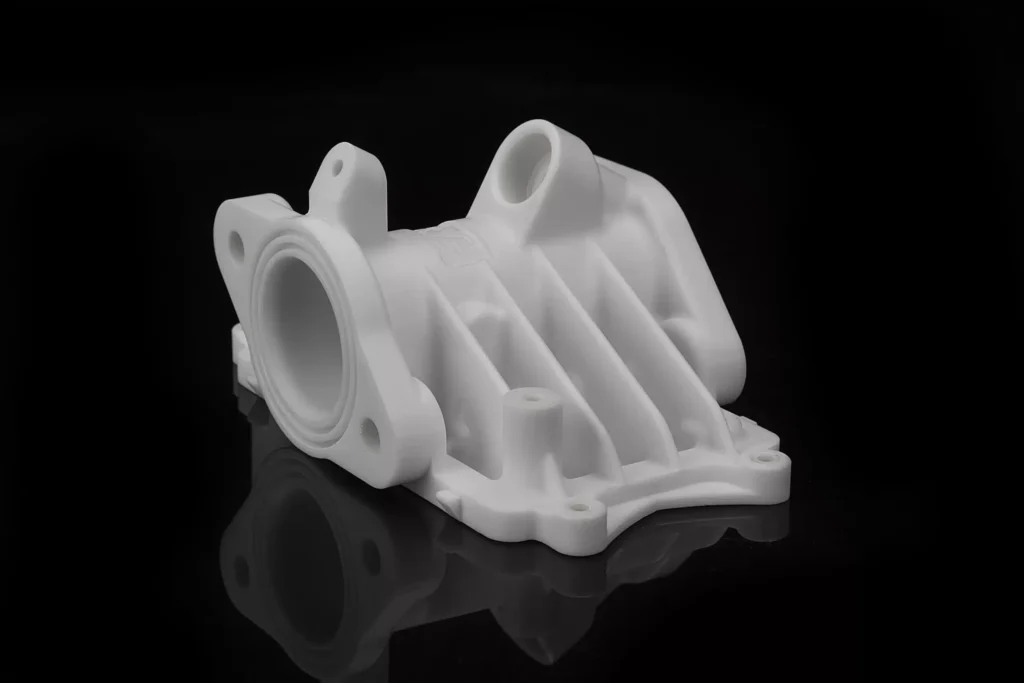
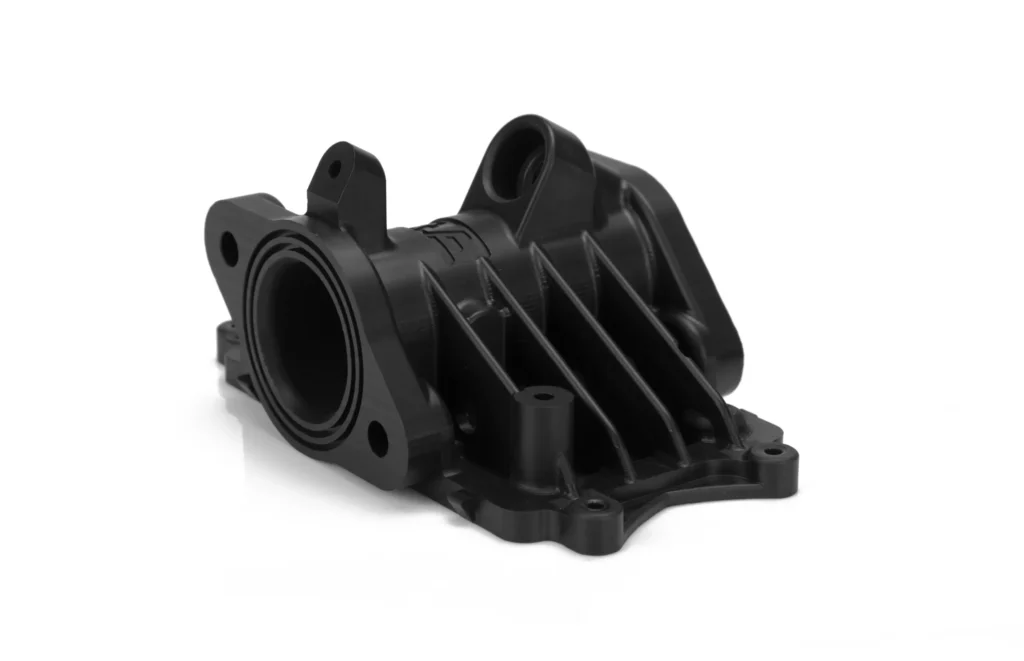
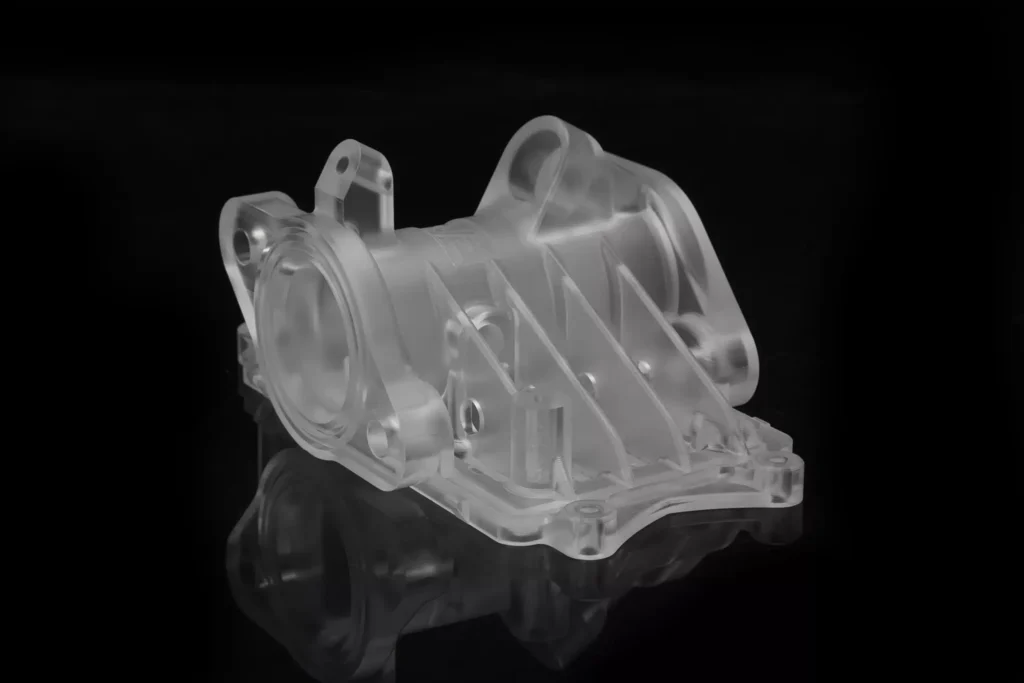
XC Machining vacuum casting produces 15–25 polyurethane parts per silicone mold in ABS-like, PP-like, rubber-like, clear, and flame-retardant resins with ±0.15 mm tolerances, injection-mold-quality surface finish, and 5–7 day delivery — no hard tooling investment required.
- All uploads are secure and confidential
What is Vacuum Casting?
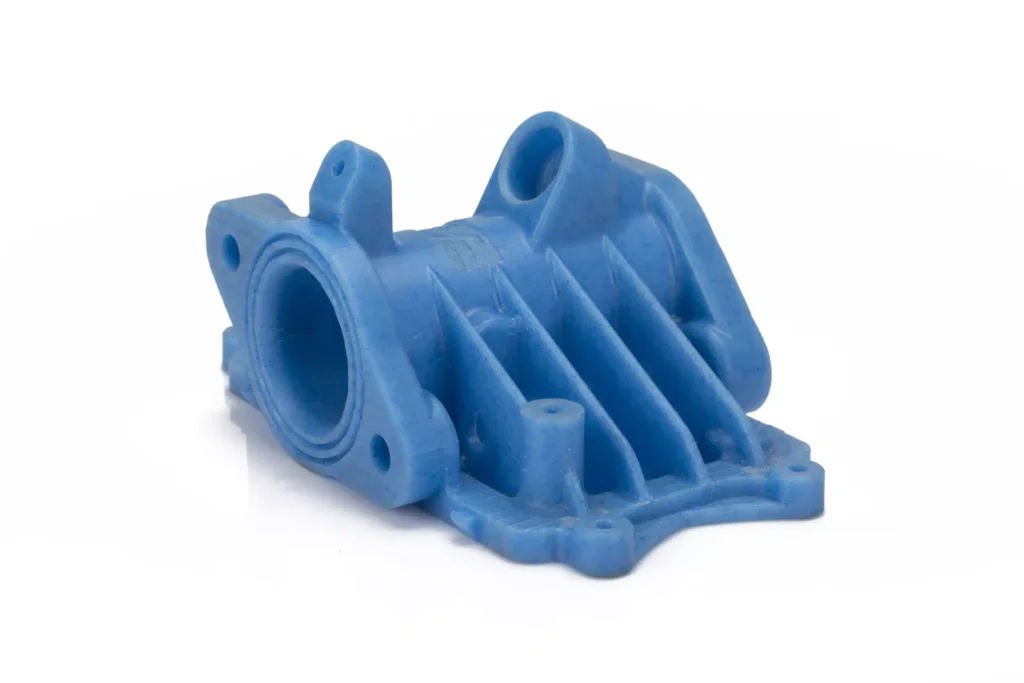
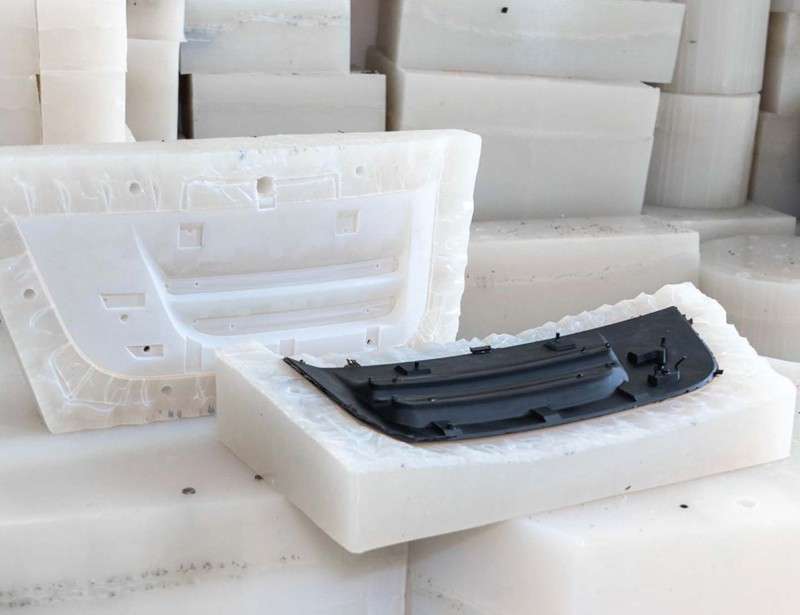
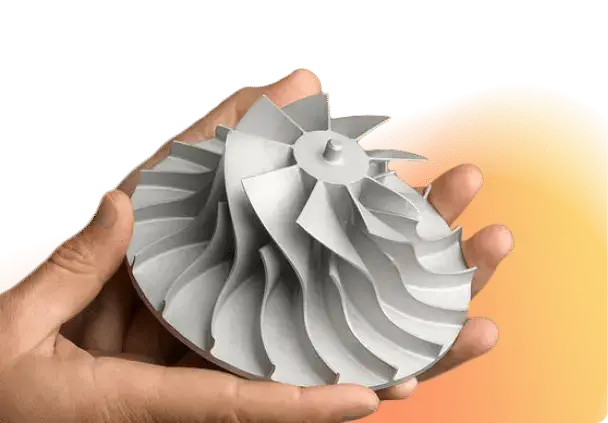
Vacuum casting (also called polyurethane casting or urethane casting) replicates a CNC machined or 3D printed master pattern by creating a silicone rubber mold, then pouring two-part polyurethane resin into the mold under vacuum. The vacuum eliminates air bubbles, producing parts with injection-mold-quality surface finish (Ra 0.8–1.6 μm) and ±0.15 mm dimensional accuracy.
Each silicone mold produces 15–25 identical parts before replacement. XC Machining delivers vacuum cast prototypes in 5–7 business days from CAD file upload — ideal for design verification, investor samples, trade show models, functional testing, and bridge production before injection mold tooling is ready.
Custom CNC machining Services: Machining, Turning, Routing, and More
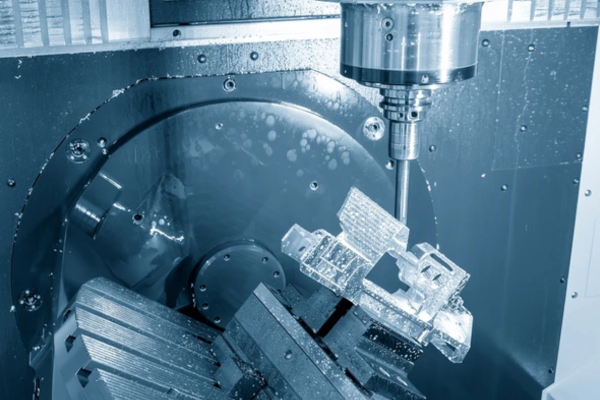
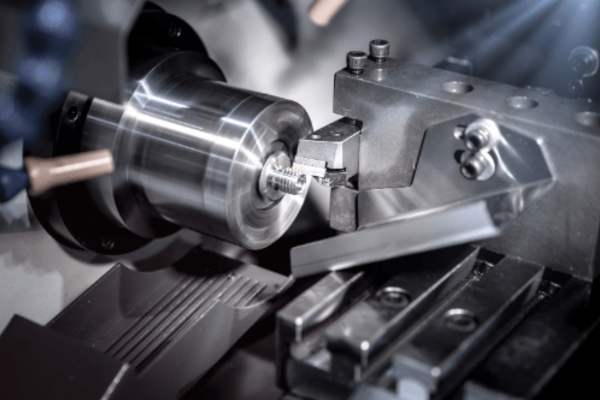
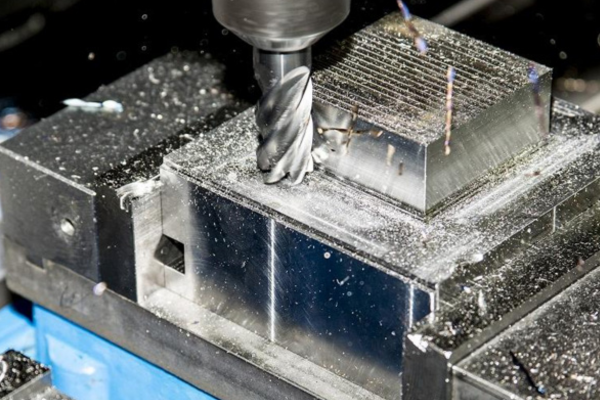
XCMachining aims to please with our CNC Milling Services to give our customers great, quick, and affordable services and products. Whether you are someone who needs one prototype made or a whole batch of low-volume parts, our results are the highest in quality and precision. With our ISO 9001:2015 certification, you can count on us. You can also get precise CNC machining and production feedback, and help to improve production.
CNC Machining Tolerances
At XC Machining, we ensure precision and consistency in every component we produce. Our CNC machining services are capable of achieving strict industry tolerances, allowing your parts to integrate seamlessly with other components
| Feature | Description |
|---|---|
| Metals | ISO 2768-m |
| Precision Tolerances | Achieves tolerances as tight as ±0.001 in. |
| Minimum Wall Thickness | 0.5 MM allowing lightweight designs. |
| Minimum End Mill Size | 0.5 MM for fine detail machining. |
| Maximum Part Size | CNC Milling: 4000×750×660MM, CNC Turning: 200×500MM |
| Minimum Part Size | CNC Milling: 5×5×5MM, CNC Turning: 2×2MM |
| Production Volume | Prototyping: 1–100PCS, Low volume: 101–10,000PCS, High volume: 10,001+ PCS |
Why Should You Choose XC Machining for Vacuum Casting?
XC Machining vacuum casting provides injection-mold-quality prototypes without the cost or lead time of steel tooling. A silicone mold costs 80–90% less than an injection mold and delivers first parts in 5–7 days versus 25–35 days for injection mold tooling.

XC Machining CNC machines or SLA 3D prints your master pattern in-house — no outsourcing. CNC masters achieve ±0.02 mm accuracy for tight-tolerance parts; SLA masters achieve ±0.1 mm with fine surface detail at Ra 1.5 μm. Master pattern quality directly determines vacuum cast part quality.

ABS-like, PP-like, PC-like (clear), rubber-like (Shore A 40–90), Nylon-like, flame-retardant (UL 94 V-0), high-temperature, and medical-grade biocompatible polyurethane resins. Pantone and RAL color matching available on all resins.

Our engineers review vacuum casting designs for minimum wall thickness (0.5 mm, 1.0 mm recommended), undercut feasibility (silicone mold flexibility allows deeper undercuts than injection molding), parting line location, and resin flow path to fill complex geometries. DFM feedback within 12 hours.

Vacuum cast parts receive painting (RAL/Pantone matching), clear coating for transparent resins, soft-touch coating, silk screening, pad printing, metal insert integration, assembly, and quality inspection with dimensional reporting.
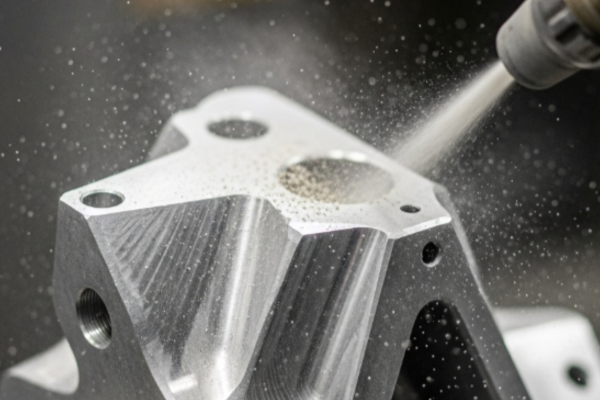
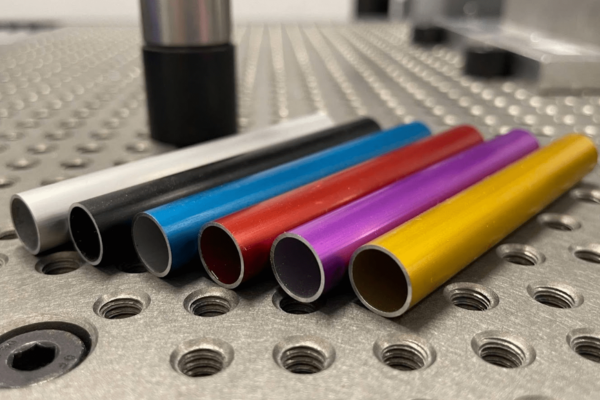
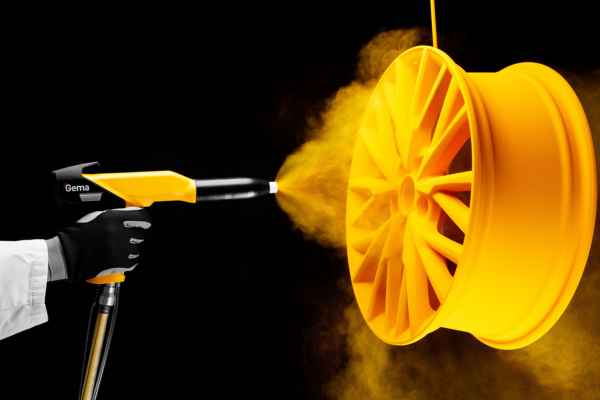
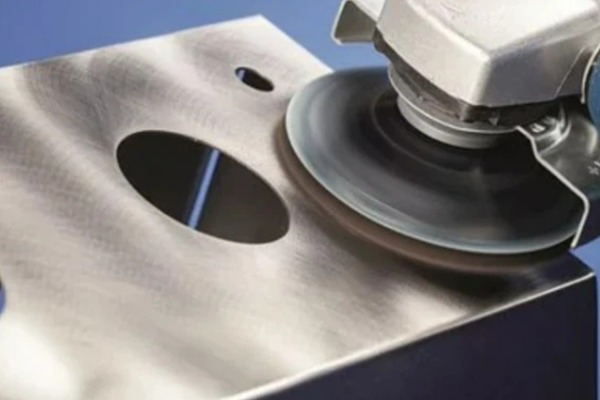
CNC Machining Surface Finishes
CNC Machining Materials
Our CNC machining services support engineering-grade metals and plastics used for precision milled and turned parts.All materials listed below are supplied in machinable stock suitable for CNC processing.
Lightweight, corrosion-resistant, and highly machinable for precision and structural parts.
Grades
6061
6061-T6
6082
7075
7075-T6
2024
High electrical and thermal conductivity for conductive components.
Grades
C110
C101
Easy to machine with excellent surface finish for precision parts.
Grades
C360
C260
C280
Hard, wear-resistant material for tooling and high-stress components.
Grades
D2
A2
H13
High strength material for load-bearing and mechanical components.
Grades
1018
1020
1045
4140
EN8
EN19
Corrosion-resistant material for industrial, food, and medical components.
Grades
304
304L
316
316L
303
17-4 PH
Ultra-lightweight metal for weight-critical machined components.
Grades
AZ31
AZ91
High strength-to-weight ratio with excellent corrosion resistance.
Grades
Grade 2
Grade 5
Plastics
Impact-resistant plastic for enclosures and functional components.
Grades
ABS Natural
ABS Black
ABS Antistatic
High impact strength for protective and structural components.
Grades
Clear PC
Black PC
Rigid plastic with excellent optical clarity.
Grades
Clear PMMA
Black PMMA
Low friction and high dimensional stability for precision components.
Grades
POM-C
POM-H
Strong and wear-resistant plastic for mechanical parts.
Grades
PA6
PA66
Glass-Filled PA
Very low friction and high wear resistance for sliding components.
Grades
UHMW Natural
High-performance plastic for extreme temperature and chemical conditions.
Grades
Virgin PEEK
Glass-Filled PEEK
Carbon-Filled PEEK
Lightweight and chemical-resistant plastic for non-structural parts.
Grades
PP Homopolymer
Our Vaccum Casting Prototype Manufacturing Capabilities
Provides injection molding for prototypes and custom parts, emphasizing expert support, competitive pricing, and faster production cycles.
Get reliable vacuum casting services for high-quality prototypes and production parts at competitive prices. XinCheng offers highly detailed casting parts with consistent quality.
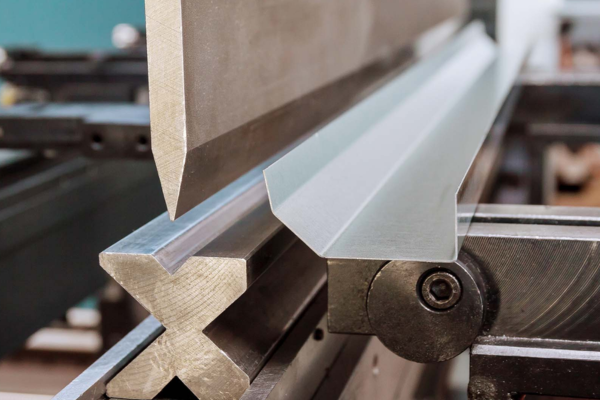
Uses cutting, bending, and forming techniques to produce precision metal components suited for industrial, commercial, and manufacturing applications.
Which Industries Use Vacuum Cast Parts from XC Machining?
XC Machining vacuum casts prototypes for consumer electronics companies (phone case mockups, remote control housings), automotive designers (interior trim prototypes, dashboard panel samples), medical device developers (biocompatible housing prototypes for investor presentations), aerospace engineers (clear cockpit display lens prototypes), and industrial designers (ergonomic handle studies in rubber-like resin).

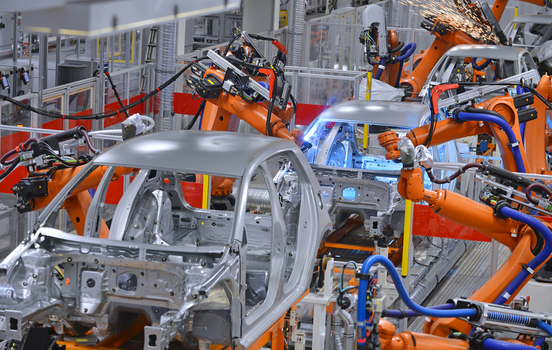
Automotive Industry
Semi Conductor

Energy Industry

Industrial Machinery
Electronics

Communications

Robotics

Medical Devices
Bring Your Designs to Life with XC Machining
- Expertise Shared Widely
- Market Reach Expanded
- Advanced Technology Integrated
- Collaborative Innovation Opportunities
- All uploads are secure and confidential
Prototyping Manufacturing FAQs
What Types of Parts Can Be Produced by Vacuum Casting?
Vacuum casting produces enclosures, housings, covers, lenses, grips, handles, panels, bezels, buttons, light guides, and multi-component assemblies in polyurethane resins. Parts can simulate ABS, PC (clear), PP, Nylon, rubber (Shore A 40–90), and flame-retardant materials. Maximum part size: 800 × 500 × 500 mm. Minimum wall thickness: 0.5 mm.
What Are the Advantages of Vacuum Casting Over Other Prototyping Methods?
Five advantages: (1) no hard tooling — silicone mold costs 80–90% less than steel injection mold, (2) injection-mold-quality surface finish (Ra 0.8–1.6 μm) directly from the mold, (3) production-equivalent material properties (ABS-like: 40 MPa tensile, rubber-like: 600% elongation), (4) 5–7 day lead time from CAD file to first parts, and (5) undercut-friendly — flexible silicone molds demold undercuts that rigid injection molds cannot without side actions.
Are Vacuum Cast Parts Suitable for Functional End-Use Applications?
Yes, within quantity limits. Vacuum cast parts in ABS-like PU achieve 40 MPa tensile strength and Shore D 78 hardness — comparable to injection molded ABS. Parts are suitable for functional testing, clinical trials (biocompatible resins), trade show displays, investor samples, and bridge production runs of 15–200 units. For volumes above 200, transition to injection molding for lower per-part cost.
Which Industries Use Vacuum Casting for Prototyping and Low-Volume Production?
Consumer electronics (phone cases, remote controls, wearable housings), automotive (interior trim panels, dashboard mockups, light lens prototypes), medical devices (biocompatible housing prototypes for 510(k) submissions), aerospace (cockpit display prototypes, cabin interior samples), and industrial design (ergonomic studies in rubber-like resin, color/texture evaluation models). XC Machining serves all five industries with vacuum casting.
What Is the Lead Time for Vacuum Casting at XC Machining?
Total lead time: 5–7 business days for first parts (includes 1–2 days master pattern creation, 1 day silicone mold curing, 1 day casting and curing, 1–2 days finishing and inspection). Reorders from an existing mold: 3–5 business days. Rush delivery: 3–4 business days for first parts on simple geometries.
What Is the Maximum Production Volume for Vacuum Casting?
Each silicone mold produces 15–25 parts. Multiple molds from the same master pattern can scale production to 200+ parts. Above 200 units, per-part cost exceeds injection molding and transition to steel tooling is recommended. XC Machining provides vacuum casting as bridge production while injection mold tooling is being fabricated (25–35 day tooling lead time), ensuring zero gap between prototyping and production.
When Should You Choose Vacuum Casting Over Injection Molding or 3D Printing?
Choose vacuum casting when: (1) you need 5–200 parts (too many for 3D printing, too few to justify injection mold tooling), (2) injection-mold-quality surface finish is required on the prototype, (3) production-equivalent material properties are needed for functional testing, (4) the timeline is 5–7 days (faster than injection mold tooling at 25–35 days), or (5) you need multiple color/material variations without new tooling. Choose 3D printing for 1–5 parts. Choose injection molding above 500 parts.